Practical guide · August 2026
The Mistral in Provence: How to Enjoy It, Not Fight It
The Mistral has a way of announcing itself before you even look at a forecast: shutters rattle, plane trees bend, and the Rhône seems to move with extra purpose. It can change a day in Provence, but it does not have to spoil one; with a little flexibility, it can become part of the trip’s character.
What the Mistral actually is
The Mistral is a dry wind that generally comes from the north or northwest. It moves down the Rhône Valley toward the Mediterranean, and the geography of that corridor can make it feel especially forceful around Avignon and across wider Provence. It is not a rare weather event or a sign that your holiday has gone wrong. It is one of the region’s defining natural features.
On a Mistral day, the sky may be intensely blue, clouds race overhead, and the air feels noticeably drier. In summer, that can be a welcome break from heavy heat. In spring, autumn, or winter, the same wind can make a sunny day feel surprisingly cold once you step into shade. The key is to plan for the sensation, not just the thermometer.
Locals often speak about the Mistral as casually as they speak about market days or the rhythm of the seasons. That familiarity comes from experience: you learn which streets are protected, when it is worth waiting for calmer conditions, and when a museum, a long lunch, or a slow wander through old lanes is simply the smarter choice.
Why it can feel so powerful
Weather systems create the pressure differences that drive the wind, while the Rhône Valley helps channel it southward. That means a forecast with wind can feel very different depending on where you are. Open bridges, riverbanks, broad squares, exposed roads, and ridge walks will catch more of it than narrow streets in a historic center.
A Mistral spell can last a day or several days. You may hear people mention the old three-, six-, or nine-day rule, but treat that as regional folklore rather than a scheduling tool. Check the forecast the evening before and again in the morning, paying close attention to gusts and local advisories.
Read the forecast in a useful way
The little sunshine symbol on a weather app does not tell the whole story. A cloudless day with strong gusts can be perfect for certain plans and awkward for others. Look at average wind speed, maximum gusts, the timing of the gustiest hours, and any official warnings or fire-risk notices.
If wind is light or moderate, most classic Avignon plans remain easy. A walk based on our three-day Avignon itinerary works well, especially if you leave room for a café stop or a museum. When gusts are stronger, build your day around sheltered streets and indoor highlights, then head to viewpoints only if conditions become comfortable.
A few practical checks before leaving
During dry periods, check whether access to nearby natural areas has been limited because of fire risk. These rules can change and should be respected without exception. If you are cycling, consider the wind direction: a flat ride can feel far longer with a strong headwind. Drivers should take care on exposed roads, while motorcyclists and cyclists need to be especially alert.
Markets can still be enjoyable in the wind, just a little more lively. A sturdy tote, a zipped bag, sunglasses, and a flexible schedule go a long way. For food-focused ideas that fit almost any day, see our guide to Provençal markets. A covered market, a bakery stop, and a relaxed lunch can turn a blustery morning into a very good one.
Windy-day plans in Avignon
Avignon is particularly forgiving when the weather turns breezy because so much is concentrated inside its historic walls. You can move between major sights, smaller lanes, shops, cafés, and restaurants without committing to a long exposed journey.
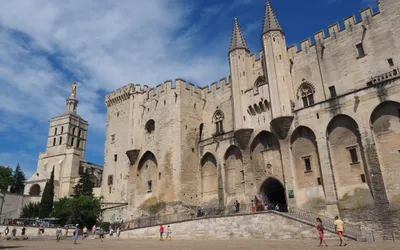
The Palace of the Popes is an obvious and worthwhile choice. It gives you time inside one of the city’s major landmarks, and it pairs naturally with a stroll around Place de l’Horloge afterward. Museums, bookshops, galleries, and the covered market are equally useful options when the wind is at its strongest.
Do not write off the ramparts completely. With a moderate Mistral, the city can look extraordinary: clean air sharpens the stone, and the sky gives every view more contrast. Just do not force a long exposed walk if it is unpleasant. Avignon rewards wandering, and a quieter parallel street can be every bit as memorable.
Let the day breathe
Morning is often a good time for errands, markets, and focused visits. Depending on the weather pattern, late afternoon may offer a calmer window for a riverside view or a photograph. Keep a little empty space in your itinerary rather than treating every hour as fixed. Provence is better when you can follow the day’s conditions instead of arguing with them.
Staying within the city walls makes that flexibility easier. From the Teinturiers area, many of Avignon’s main sights are reachable on foot, so it is simple to pause between plans. If you are considering a stay, Lavande Évasion and Lavande Dorée provide convenient bases for exploring at your own pace.
Day trips when the Mistral blows
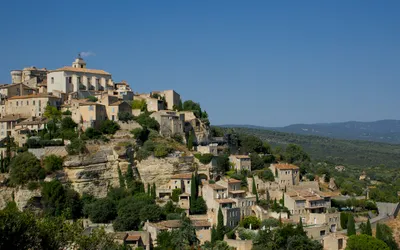
Wind does not automatically cancel a day outside Avignon. In fact, after a Mistral passage, Provence can look spectacularly clear. Hills, cypress lines, vineyards, and perched villages often stand out more vividly than they do on hazier days.
The Luberon can still be a great choice if roads and walking routes are open. Shift the emphasis toward villages, museums, shops, and short scenic stops rather than a long exposed hike on a ridge. Our guide to exploring Provence and the Luberon from Avignon is designed around a balanced day: an unhurried start, a village stop, a sheltered lunch, then a viewpoint if the weather cooperates.
Wine country can also be lovely in clear weather. Book tastings in advance, arrange a designated driver, and give yourself enough time to enjoy the visit. The Mistral is part of the local landscape and agricultural story, but it should never become a reason to rush from one stop to the next.
Plans best saved for another day
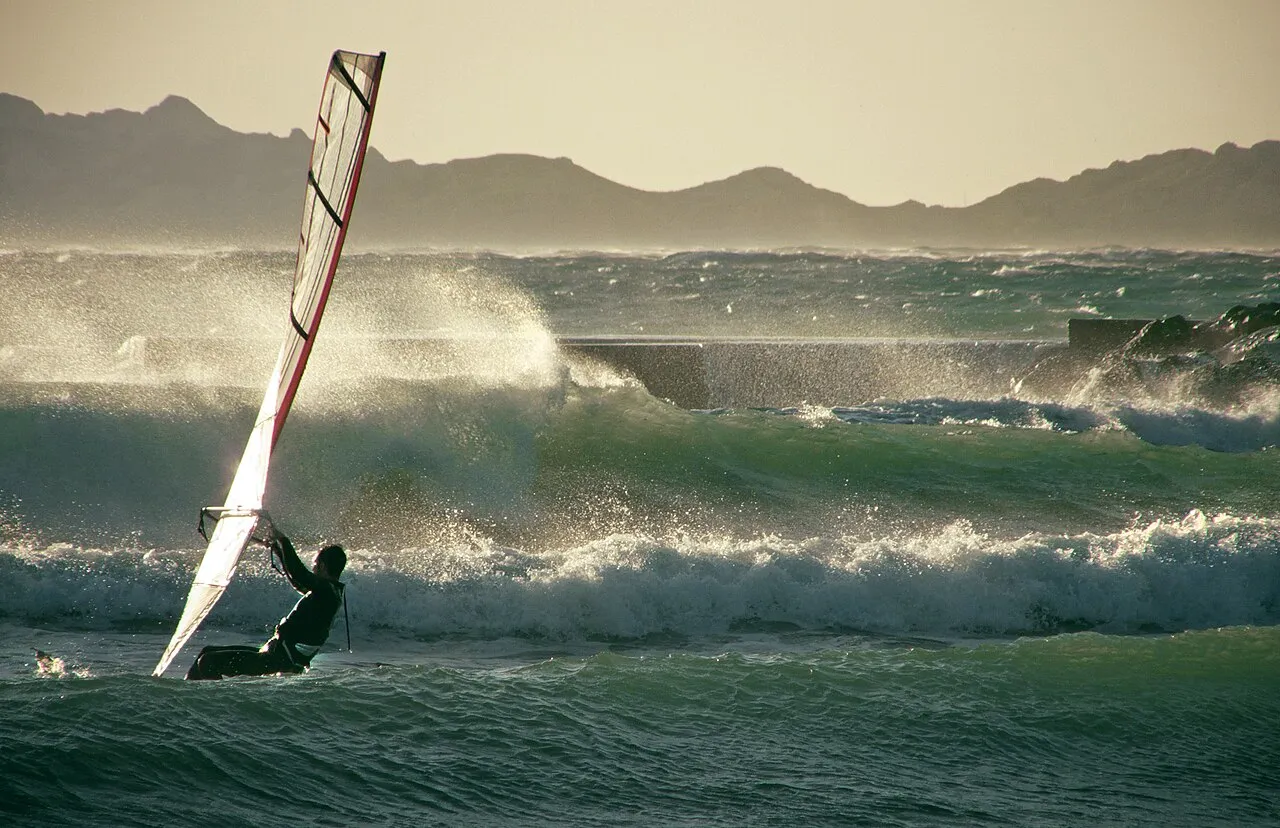
Skip unstructured water activities, high exposed trails, and picnic spots beneath vulnerable trees when gusts are strong. In dry summer conditions, never ignore closures or fire warnings. Keep young children close near riverbanks, and avoid leaving light objects unattended outside.
It is also fine to abandon a photo plan if the wind is making it miserable. Provence is not a still-life set. Moving trees, an empty sunlit lane, dramatic clouds, or a warm room after a gusty walk can become the detail you remember most.
What to wear and bring
Layers are the easiest answer. Even in August, a light overshirt or jacket can make an evening walk far more comfortable when the wind picks up. Sunglasses help with dust, stable shoes help on cobblestones, and a bag that closes properly keeps your essentials where they belong.
A sun hat is useful only if it will stay on. Choose something fitted or secured rather than spending the day chasing it down a street. Keep drinking water with you: dry wind can make you underestimate how much you need it. Families should have sunscreen, water, and an indoor fallback in mind before setting off.
Most of all, use the Mistral as permission to slow down. Check conditions, make one good plan rather than five fragile ones, reserve a visit, and leave room for a long meal or an unexpected discovery. That is not settling for bad weather; it is traveling in step with Provence.
As you map out your Avignon stay, leave space for the day to surprise you. A Mistral forecast may lead to heritage, food, and some of the clearest views of the year, so choose a comfortable rhythm and plan your dates through our booking page when the time feels right.
Frequently asked questions
What is the Mistral in Provence? +
The Mistral is a strong, dry wind that usually blows from the north or northwest through the Rhône Valley toward the Mediterranean. It can make temperatures feel cooler, especially in shade or after sunset, while bringing bright, clear skies.
How long does the Mistral usually last? +
It may last only one day, but two- or three-day episodes are common and longer spells happen. Local sayings mention three, six, or nine days, but an hourly forecast is much more useful when planning your trip.
Is it safe to visit Avignon during the Mistral? +
Yes, with normal caution. Avoid exposed activities during strong gusts, secure hats and loose belongings, follow fire-risk restrictions in natural areas, and choose urban or indoor visits if the wind is uncomfortable.
What can I do in Avignon on a windy day? +
Visit the Palace of the Popes, explore museums and covered food markets, wander the historic lanes, or settle in for a long lunch. The old town has plenty to do within a compact walkable area.
Does the Mistral make Provence more photogenic? +
Often, yes. It clears haze and creates sharp visibility, so distant hills, stone villages, cypress trees, and historic architecture can look especially dramatic after or between windy spells.
Ready to come?
Stay 5 min from Avignon's historic centre
Two 3-star charm apartments, 2 min from rue des Teinturiers and 18 min from the Palais des Papes. Direct booking, no middlemen.