Provence · August 2026
Provence Olives and Olive Oil: AOCs Worth Knowing
A good Provence olive oil can make an ordinary lunch feel memorable. One spoonful brings together olive groves, dry-stone walls, late harvest mornings, and the small mills that turn fruit into something remarkably expressive.
What an AOC tells you
AOC means Appellation d’Origine Contrôlée. In simple terms, it links a food to a defined place, olive varieties, and production rules. It is useful when you are standing at a market stall wondering why two nearby bottles taste so different.
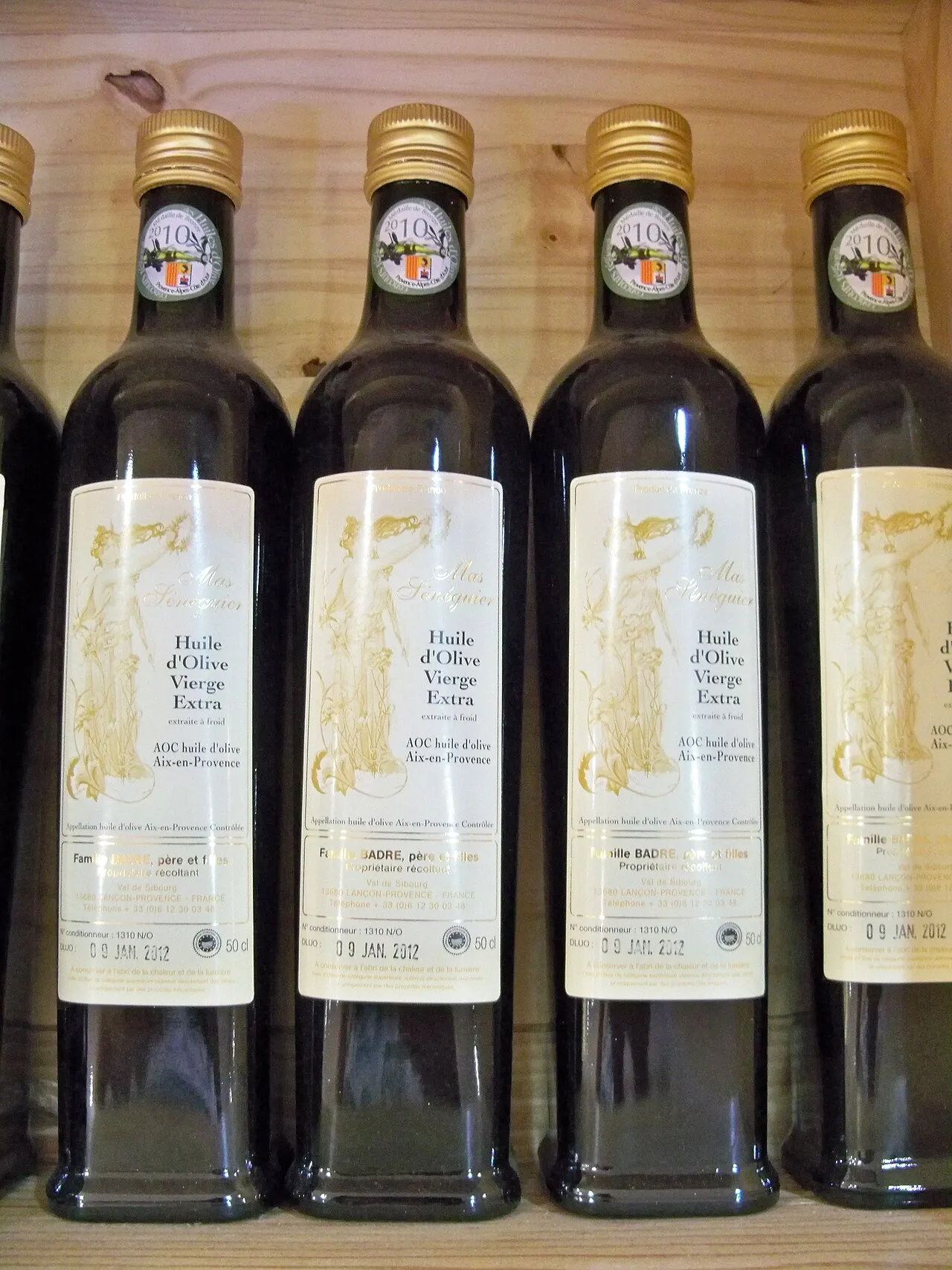
Huile d’Olive de Provence AOC is an easy place to begin. Its flavors can range from fresh grass and raw artichoke to almond and riper fruit, depending on the olives and harvest timing. More localized names, including Vallée des Baux-de-Provence, Aix-en-Provence, and Nyons, point to distinct growing areas and traditions.
There is no single “best” oil for everyone. A bright, peppery green-fruit oil can be wonderful over grilled vegetables. A softer, rounder bottle might be better with fresh cheese, ripe peaches, or a simple vinaigrette.
Learn the main flavor families
Green-fruit oils
These are often made with greener olives and can taste lively, herbal, and slightly bitter. You may notice artichoke, tomato leaf, green almond, or a peppery tickle at the back of your throat. That little kick is often part of the appeal rather than a warning sign.
Riper and matured-olive styles
Other oils are gentler, with toasted nut, apple, or ripe-fruit notes. In Provence, you may also encounter the traditional “matured olives” style. Its fuller aroma is very different from green-fruit oil and especially enjoyable with toasted bread or autumn dishes.
Find your first tasting around Avignon
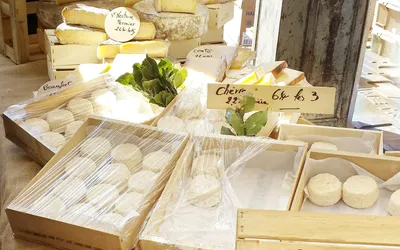
A local market is the simplest introduction. Our guide to Provence markets can help you plan a morning of produce, cheese, herbs, olives, and conversation. Tell a producer what you usually cook; that is more helpful than asking for the most expensive bottle.
Mills and estates may welcome visitors or sell directly, particularly in the warmer months and around harvest season. Always check current opening times before setting out. Small producers work around weather, harvest schedules, and local holidays, so hours can change.
From Avignon, an olive-focused outing works beautifully with an easy drive through the Alpilles or Luberon. Add a village stop, a market, or a short walk rather than trying to tick off too many addresses. For broader route ideas, see our guide to the Luberon from Avignon.
Choosing a bottle without overthinking it
Start with the origin and appellation, then look for harvest information when available. Olive oil is sensitive to heat, light, and air, so an opaque bottle or protected container is a good sign. Once opened, keep it in a cool cupboard rather than beside a sunny window.
Ask for an oil for salads, roasted vegetables, fish, or everyday cooking. If you want to taste several regional styles, buy smaller bottles. It is a much more enjoyable souvenir than a large bottle you hesitate to open.
A simple olive-oil day in Provence
Begin with a market stop, pick up bread, tomatoes, fruit, and a little local cheese, then make time for one producer or mill. Leave the afternoon open for a village lane, a viewpoint, or a relaxed coffee. Back at your table, taste the oil with bread and salt before adding it to anything else.
If Avignon is your base, Lavande Évasion and Lavande Dorée offer a convenient starting point for market mornings and unhurried Provençal day trips. Plan lightly, stay curious, and let a market conversation or a roadside sign shape the rest of the day.
Frequently asked questions
What Provence olive oil AOC should I look for? +
Huile d’Olive de Provence AOC is a great starting point and is widely found across the region. You may also see oils from Nyons, the Vallée des Baux-de-Provence, or Aix-en-Provence, each tied to a more specific local area.
When is the best time to visit an olive mill in Provence? +
Harvest and milling generally happen in autumn and early winter, but markets and producer shops can be rewarding all year. In summer, book or visit early in the day when roads and villages are quieter.
Why does some olive oil taste peppery? +
A peppery finish can be a natural sign of fresh, green-fruit olive oil. It is not a defect; it is one of several possible styles, alongside softer, nuttier, or riper oils.
Can I bring Provence olive oil home? +
Yes. Choose a securely sealed, light-protected bottle and ask the producer for storage advice. A smaller bottle is often easier to travel with and lets you try more than one style.
Ready to come?
Stay 5 min from Avignon's historic centre
Two 3-star charm apartments, 2 min from rue des Teinturiers and 18 min from the Palais des Papes. Direct booking, no middlemen.