Provence · October 2026
8 Provençal Specialties to Taste While You’re in Avignon
You can spot the difference between a meal in Provence and a meal that merely borrows a few southern French words from the menu. The real thing is not usually fussy. It starts with ripe produce, olive oil, herbs, a little garlic, and the confidence to let a few good ingredients do the work.
Around Avignon, food is one of the easiest ways to slow down. Pick up something warm from a bakery, browse a market stall, order the day’s special at lunch, then let the afternoon happen. You do not need a grand tasting menu to get close to Provençal cooking. You just need to know what to look for.
Here are eight specialities that make a delicious introduction. Some are everyday staples, some are more substantial, and some are best shared over a leisurely aperitif. Think of this as your relaxed eating list rather than a strict checklist.
1. Tapenade: the aperitif essential
If there is one flavour that immediately says Provence, it is tapenade. This savoury spread is built around olives, usually with capers and other punchy ingredients. Recipes differ from kitchen to kitchen, which is part of the point: a tapenade can be deep and briny, bright with herbs, or gently garlicky.
Try it spread on good bread, spooned onto toast, or served alongside raw vegetables at aperitif time. It also makes an easy market purchase when you want to assemble a no-cook dinner after a day out. Buy a small portion first if you are unsure which style you prefer; olive character can range from soft and fruity to quite intense.
Tapenade is also a useful reminder that Provençal food is not all about long recipes. A bowl of olives, bread, a spread, something cool to drink and a bit of conversation can be a complete evening plan.
If you are planning to stock up, our guide to Provençal markets can help you make a food-focused morning of it. Go without a rigid shopping list if you can. The best thing on the stall may not be what you expected to buy.
2. Ratatouille: more than a side dish
Ratatouille gets treated as a generic vegetable dish far too often. In Provence, it is a celebration of summer vegetables cooked patiently until their flavours meet without disappearing. Tomatoes, aubergines, courgettes, peppers, onions and herbs commonly appear, but there is no single recipe that every cook follows.
The texture tells you a lot. Some versions are softly stewed, ideal with bread or rice. Others keep more definition in the vegetables. It may arrive hot beside a main course, warm at lunch, or cool enough for a summer table. Do not be surprised if it tastes different from one place to another; seasonal produce and timing change everything.
For a casual meal, ratatouille works beautifully with a green salad, eggs, grilled fish or simply a hunk of bread. Vegetarians will often find it a welcome option, but it is always sensible to ask how a particular version has been prepared.
The lesson here is simple: Provence does not need to disguise vegetables. When they are in season and properly cooked, they are the centre of the plate.
3. Daube provençale: slow-cooked comfort
Not every local classic is light and summery. Daube provençale is the dish to look for when you want something slow-cooked, rich and comforting. It is a beef stew traditionally prepared with wine and aromatics, and it is the sort of dish that makes a long lunch feel entirely reasonable.
You may see different accompaniments depending on the restaurant and the cook. Rather than worrying about what is most authentic, focus on whether the dish sounds right for the day. On a cooler evening or after lots of walking around Avignon, daube can be exactly what you want.
This is a good dish to order in a restaurant rather than chase as a quick snack. Ask what the kitchen is serving that day and be open to a similar slow-cooked local dish if daube is not on the menu. Menus are seasonal, and that is a strength, not a disappointment.
For more ideas on choosing somewhere to eat without overplanning every meal, see our Avignon restaurants guide. A simple lunch spot with a short, changing menu can be more memorable than a place chosen only for its view.
4. Aïoli: garlic, olive oil and a proper gathering
Aïoli can mean the garlicky sauce itself, but it may also describe a more generous meal built around it. At its heart, it is bold: garlic and olive oil brought together into a creamy, powerful condiment. If you love garlic, this is your moment. If you are cautious, start with a little.
When served as part of a meal, aïoli may come with vegetables, eggs, fish or other seasonal elements. The pleasure is in the combination and in the sharing. It is food that encourages the table to linger rather than rush through courses.
There is an important practical detail: recipes vary a lot. Some sauces are fierce and direct, others smoother and milder. If you are ordering it for the first time, embrace the uncertainty. Aïoli is not meant to taste shy.
It also explains a lot about the regional approach to flavour. Garlic is not there as background noise. Olive oil is not merely a cooking medium. Both are allowed to be recognisable, which makes even straightforward ingredients feel special.
5. Pissaladière: the onion tart worth stopping for
Pissaladière is often described as a southern French pizza, but that comparison can make you expect the wrong thing. It is better understood on its own terms: a baked tart with a soft base, slow-cooked onions and characteristic salty toppings that may include olives and anchovy.
It is ideal for a quick lunch, a bakery stop or something to share before dinner. The onions are the heart of it, so look for a version where they have been cooked down until sweet and mellow rather than hurried. The salty elements bring contrast, and the result is more savoury than sweet.
Because anchovy is common, vegetarians should check before buying. For everyone else, pissaladière is one of the easiest ways to taste the coast-and-countryside character of the region in a single slice: olive, onion, dough and salt, all working together.
It travels well for a picnic too. Pick up a few slices, add fruit and a local cheese, then find a quiet bench or take your lunch back to your apartment. Staying in Avignon’s historic centre at Lavande Évasion makes it easy to build a relaxed food break into your day without treating every meal like an appointment.
6. Fougasse: bread with personality
Fougasse is one of those bakery finds that can change the direction of your day. It is a flat, shaped bread, sometimes plain and sometimes flavoured with ingredients such as olives, herbs, cheese or onions. Its distinctive cut pattern gives it a leaf-like look, though every baker has their own version.
Buy it warm if possible and eat it while it is fresh. It is brilliant with tapenade, useful beside a salad, and more interesting than ordinary bread when you are putting together an aperitif. A small fougasse can also be the answer when nobody wants a full sit-down lunch but everyone is getting hungry.
Do not assume one version represents them all. One bakery may make a soft, pillowy loaf; another may lean crisp and rustic. That variability is exactly why it is worth trying more than once.
A good rule for food shopping in Provence is to follow the bakery queue. If local people are picking up bread for lunch or the evening, they are usually onto something.
7. Goat’s cheese: simple, local and seasonal
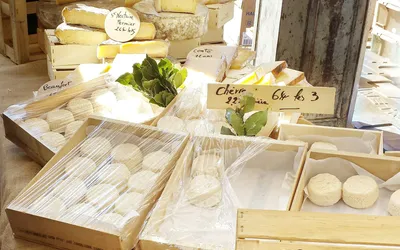
Provence and the surrounding countryside offer plenty of opportunities to try goat’s cheese, often simply served with bread, salad, fruit or a drizzle of olive oil. The styles vary in age, texture and intensity, from fresh and mild to firmer and more pronounced.
You do not need specialist knowledge to enjoy it. Start by asking for a recommendation based on how strong you want the cheese to be. A vendor can often suggest something for eating that day, something to pair with a salad, or something that will travel better.
Goat’s cheese is a lovely picnic ingredient because it turns a few market purchases into a real meal. Add tomatoes when they are in season, ripe fruit, bread and perhaps a little tapenade. That is enough.
When choosing cheese, be mindful of storage. Buy close to the time you plan to eat it, especially in warm weather, and ask how best to keep it. The goal is to enjoy it at its best, not to carry it around all afternoon while sightseeing.
8. Calissons: the sweet finish
For dessert or a gift, look for calissons. These distinctive small sweets are associated with Provence and are typically made with a smooth almond-based filling and a crisp icing finish. They are elegant without being showy, and they make a useful answer to the question: what should I bring back that is not another souvenir magnet?
Have one with coffee after lunch, keep a small box for an afternoon pause, or take some home if your journey allows. They are sweet, of course, but the almond character gives them more depth than a standard candy.
You may also come across nougat, fruit preserves, biscuits and other regional sweets. There is no need to buy everything at once. Taste one or two things, decide what you genuinely like, then return for a proper gift box later. Food souvenirs are much better when they are chosen with appetite rather than panic.
How to eat well in Avignon without overthinking it
The best Provençal food day is usually built from a few small decisions. Start with a bakery breakfast or coffee. Visit a market before lunch. Choose one substantial dish, such as daube, if you fancy a restaurant meal. Save enough appetite for an aperitif-style evening of bread, olives, cheese and whatever looked good earlier.
Give yourself permission to repeat favourites. There is no prize for trying eight entirely new things in one day. If you find a tapenade you love or a bakery that makes excellent fougasse, go back. That is often more local than racing from one supposedly essential address to the next.
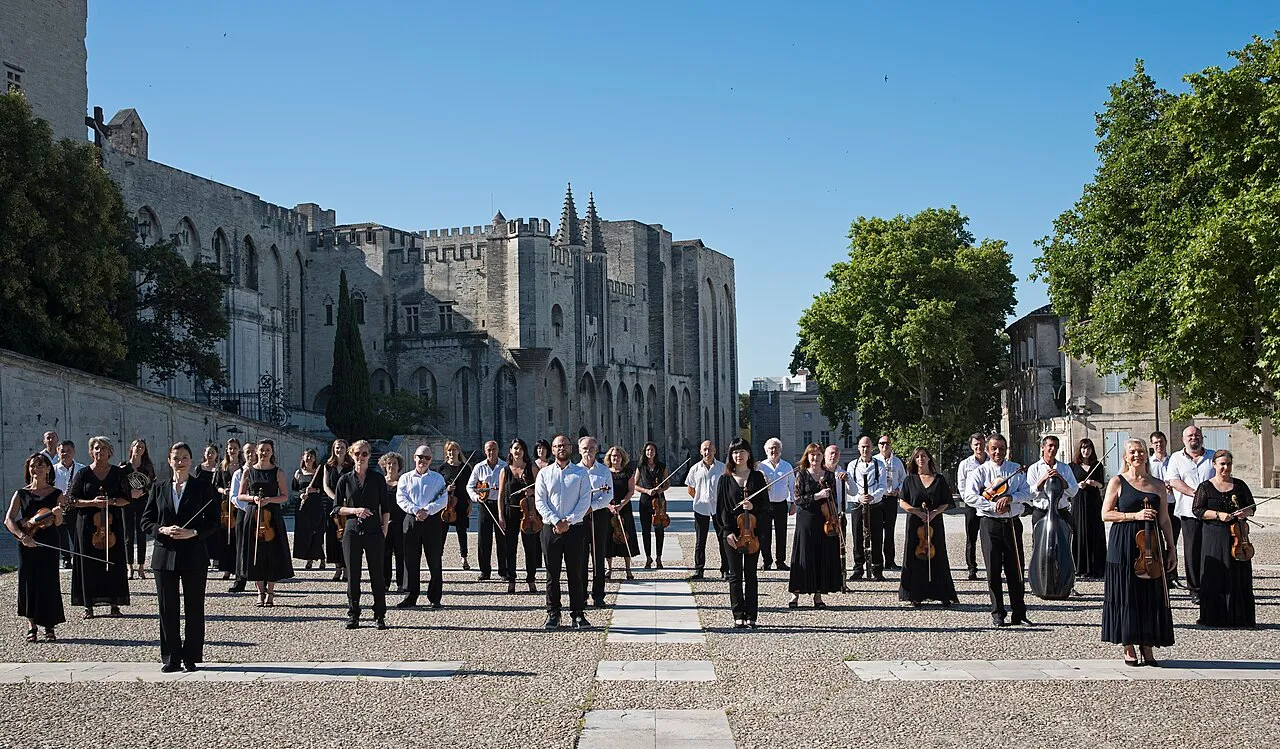
Food also gives structure to a sightseeing day. A morning near the Palais des Papes can lead naturally into lunch, while a late afternoon walk can end with something from a bakery. If the city’s big landmarks are on your list, pair your meal plans with our Palais des Papes guide rather than trying to fit everything into one hungry sprint.
Most of all, keep it easy. Provence rewards attention, not performance. Choose seasonal ingredients, ask a simple question when you need to, and eat what smells good. By the end of your stay, the taste you remember may not be the most famous dish at all. It might be warm fougasse torn apart at the table, a spoonful of tapenade, or a quiet lunch that lasted longer than planned.
When you are ready to turn those food stops into a proper Avignon stay, you can check booking options and leave room in the itinerary for a few delicious detours.
Frequently asked questions
What food is Provence best known for? +
Provence is known for sunny Mediterranean flavours: olive oil, garlic, herbs, tomatoes, aubergines, peppers, olives, anchovies, goat’s cheese and seasonal fruit. Classic dishes vary by town and season, but tapenade, ratatouille, daube and aïoli are excellent places to start.
Where can I try Provençal specialities in Avignon? +
Look in covered markets, food shops, bakeries and traditional restaurants, especially at lunchtime. A market visit is useful because you can see the ingredients first, then choose what to take home for a picnic or aperitif.
Is Provençal food suitable for vegetarians? +
Often, yes. Vegetable dishes, tapenade, cheeses, breads, salads and seasonal fruit are easy to find. Do check individual recipes: even vegetable dishes can sometimes include anchovy, meat stock or a topping made with fish.
What should I bring home from Provence as food souvenirs? +
Tapenade, herbs, olive oil, calissons, nougat, biscuits and carefully wrapped local cheese are common choices. Check travel rules and storage needs before buying, especially if you are travelling a long way or flying.
What is a typical Provençal aperitif? +
Keep it simple: a drink you enjoy, a bowl of olives, tapenade with bread or crackers, perhaps some sliced fougasse and fresh seasonal produce. It is less about a fixed menu than taking the time to sit down and share a few things.
Ready to come?
Stay 5 min from Avignon's historic centre
Two 3-star charm apartments, 2 min from rue des Teinturiers and 18 min from the Palais des Papes. Direct booking, no middlemen.